

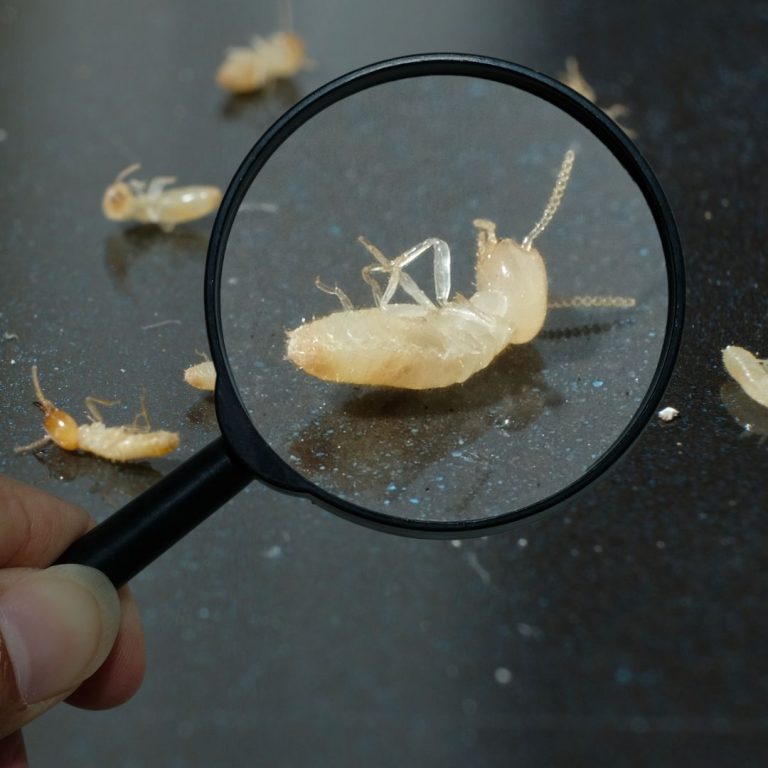
Owning a home comes with a never-ending to-do list. You have gutters to clean, lawns to mow, and occasional plumbing mishaps to fix. But while you are busy maintaining what you can see, a silent threat could be eating away at your investment from the inside out.
Termites are often called “silent destroyers” for a reason. They can chew through wood, flooring, and even wallpaper without any immediate signs of damage on the exterior. By the time most homeowners notice a problem, the structural integrity of their house is already compromised.
The financial impact of a termite infestation is staggering. Every year, termites cause billions of dollars in damage in the United States alone—costs that are rarely covered by standard homeowners insurance. Ignoring the risk is a gamble that could cost you your life savings.
Fortunately, you aren’t helpless against these pests. Understanding the true cost of termite damage and prioritizing prevention can save you thousands of dollars and immeasurable stress. Here is why proactive termite control is the smartest financial decision you can make for your home, and how Patriot Pest Solutions can help secure your property.
The Financial Reality of Termite Infestations
When we think of pest control, we often think of the annoyance factor. Ants in the kitchen or spiders in the garage are nuisances. Termites, however, are financial hazards.
Structural Repair Costs
The primary cost associated with termites is repairing the physical damage they cause. Termites feed on cellulose, which is found in wood and plant products. In a home, this means they feast on support beams, floor joists, wall studs, and roof supports.
Repairing structural damage is not as simple as patching a hole in drywall. If a load-bearing beam is compromised, contractors may need to jack up the house to replace it. This kind of specialized construction work is labor-intensive and expensive. On average, homeowners who discover termite damage spend upwards of $3,000 on repairs, but in severe cases, this number can easily climb to tens of thousands of dollars.
Cosmetic Repairs
Beyond the skeleton of your house, termites ruin the aesthetics. They can tunnel behind wall coverings, causing paint to bubble or peel. They eat through wooden skirting boards, window frames, and cabinetry. Replacing custom kitchen cabinets or hardwood flooring adds another layer of expense to the remediation bill.
Temporary Living Expenses
In worst-case scenarios, a home may be deemed unsafe for habitation during repairs. If structural beams need replacing or extensive fumigation is required, you may have to pay for a hotel or rental accommodation for days or weeks. These out-of-pocket costs add up quickly and are almost never reimbursed.
The “Hidden” Cost: Devaluation
Even after the termites are gone and repairs are made, your home’s value may take a hit. When you sell a house, you are typically required to disclose previous termite infestations. Potential buyers are often wary of homes with a history of pest damage, fearing that the problem might return or that hidden damage remains. This can lead to lower offers or difficulty selling the property altogether.
Why Insurance Won’t Save You
Many homeowners operate under the false assumption that their insurance policy acts as a safety net for all types of property damage. Unfortunately, most standard homeowners insurance policies classify termite damage as a preventable maintenance issue.
Insurance companies view termite infestations as a slow-onset disaster that could have been avoided with routine maintenance and inspection. Unlike a sudden fire or a burst pipe, termite damage happens over months or years. Because it is considered preventable, the insurer usually denies the claim, leaving the homeowner to foot 100% of the bill for treatment and repairs.
Recognizing the Early Warning Signs
Prevention starts with awareness. While professional inspections are the gold standard, you can keep an eye out for subtle indicators that termites have moved in.
Mud Tubes
Subterranean termites, the most destructive type, require moisture to survive. They build pencil-sized mud tubes to travel between their underground colony and your home’s wooden structure. You will often find these tubes running up your foundation exterior or along basement walls.
Discarded Wings
Termites swarm when they are ready to start new colonies, typically in the spring. After they find a mate, they shed their wings. If you find piles of wings on windowsills or near doorways, it is a strong indication that a swarm has occurred nearby and a colony may be establishing itself in your home.
Hollow-Sounding Wood
Termites consume wood from the inside out, leaving a thin veneer of timber or paint on the surface. If you tap on a wooden beam or window frame and it sounds hollow or papery, you likely have an infestation.
Frass (Termite Droppings)
Drywood termites push their droppings out of small holes near the entrances to their nests. These droppings, known as frass, look like small piles of sawdust or coffee grounds. Finding mysterious mounds of pellets is a clear sign of activity.
Prevention vs. Cure: The ROI of Protection
Investing in termite prevention is far cheaper than paying for remediation. Think of it like changing the oil in your car; you pay a small amount regularly to avoid replacing the entire engine later.
Routine Inspections
An annual termite inspection is your first line of defense. Professional pest control technicians are trained to spot signs of activity that the untrained eye would miss. They check crawl spaces, attics, and foundations for early indicators. The cost of an annual inspection is a fraction of the cost of replacing a single support beam.
Pre-Treatment and Barriers
For new construction, treating the soil before the foundation is poured is standard. For existing homes, creating a chemical barrier around the perimeter prevents termites from entering. Bait stations are another effective method, intercepting termites before they reach your house.
Moisture Control
Termites love damp environments. You can make your home less attractive to them by:
- Fixing leaky faucets and pipes immediately.
- Ensuring gutters and downspouts divert water away from the foundation.
- Improving ventilation in crawl spaces and attics to reduce humidity.
Removing Food Sources
Don’t feed the enemy. Keep firewood, lumber, and paper away from the foundation or crawl space. Ensure that no wood on your home comes into direct contact with the soil. A gap of at least six inches between the ground and your siding or porch steps is recommended.
How Patriot Pest Solutions Protects Your Home
At Patriot Pest Solutions, we understand that your home is your sanctuary. We offer comprehensive termite control strategies tailored to your specific property and risk level. We don’t believe in a one-size-fits-all approach because every infestation and every home is unique.
Thorough Identification
Our process begins with a detailed inspection. We identify the specific species of termite—whether Subterranean, Drywood, or Dampwood—because different species require different treatment protocols. We map out the extent of the activity and identify the vulnerable points in your home’s construction.
Targeted Treatments
Once we know what we are dealing with, we deploy the most effective solution. This might involve:
- Liquid Defense Systems: Applying a liquid termiticide around the foundation to create a continuous barrier that eliminates termites on contact.
- Baiting Systems: Strategically placing bait stations that termites feed on and share with the colony, effectively eliminating the population at the source.
- Wood Treatment: Treating exposed wood with preservatives that prevent future feeding.
Ongoing Monitoring
Termite control is not a “set it and forget it” event. Environmental factors change, and chemical barriers can degrade over time. Patriot Pest Solutions offers ongoing monitoring plans. We return regularly to check bait stations, inspect your property, and ensure the protective barrier remains intact.
Choosing Patriot Pest Solutions means choosing peace of mind. You aren’t just paying for bug spray; you are investing in the longevity of your home and protecting your family’s financial future.
Frequently Asked Questions
How much does a termite treatment cost?
The cost varies depending on the size of your home, the construction type, and the severity of the infestation. However, treatment is always significantly less expensive than repairing structural damage. We provide transparent quotes after our initial inspection so you know exactly what to expect.
Can I treat termites myself?
DIY termite control is rarely effective. Over-the-counter sprays might kill a few termites on contact, but they do not reach the queen or the colony deep underground or inside the wood. Professional equipment and commercial-grade termiticides are necessary to fully eradicate a colony.
How often should I have my home inspected?
We recommend a professional termite inspection at least once a year. If you live in an area with high termite activity, or if your home has a history of infestation, more frequent checks may be necessary.
Are the treatments safe for my pets and children?
Safety is our priority. Patriot Pest Solutions uses EPA-registered products and follows strict safety protocols. We will advise you on any necessary precautions, such as keeping pets away from treated areas for a specific time while products dry.
Don’t Wait Until It’s Too Late
The structural damage caused by termites is preventable, but only if you act before the damage is done. Waiting until you see a swarm or a hollow beam often means the bill will be high.
Take control of your home’s health today. By partnering with Patriot Pest Solutions, you can stop termites in their tracks and ensure your property remains safe, solid, and valuable for years to come.
Contact us today to schedule your comprehensive termite inspection. Let us help you close the door on expensive repairs and open the door to peace of mind.