
Are Bird Droppings a Health Hazard? What to Know
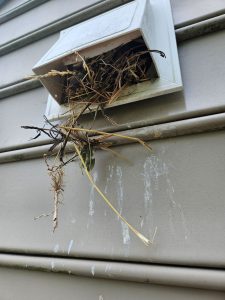
Bird droppings can pose real health risks, primarily through airborne fungal spores and bacteria that cause diseases like histoplasmosis, cryptococcosis, and salmonellosis. The danger comes

Bird droppings can pose real health risks, primarily through airborne fungal spores and bacteria that cause diseases like histoplasmosis, cryptococcosis, and salmonellosis. The danger comes
TL;DR: Skunks aren’t typically aggressive toward pets, but they pose real risks — spray that causes eye irritation and nausea, bites that can transmit rabies,

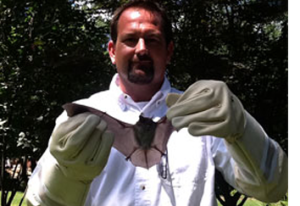
To keep bats out of your attic, locate and seal all entry points (gaps as small as 3/8 of an inch), install one-way exclusion devices

Mice are small, with pointed snouts, large ears, and thin tails relative to their body size. Rats are larger, with blunter snouts, smaller ears, and

Keeping pantry pests out comes down to three repeatable habits—sealing food in airtight containers, sweeping up crumbs and spills immediately, and storing items in a

Common landscaping mistakes—like piling mulch against your foundation, letting shrubs overgrow, and allowing water to pool—create ideal conditions for insects and rodents to breed and

Mosquitoes need as little as a bottle cap of standing water to breed. The most overlooked breeding grounds in residential yards include clogged gutters, plant

Bird droppings are acidic, corrosive, and biologically active. Left untreated, they accelerate surface deterioration, void waterproofing warranties, and introduce pathogens like Histoplasma capsulatum and Cryptococcus

Rats and mice share many behaviors but differ significantly in size, droppings, sounds, and damage patterns. Rats are larger, produce bigger droppings, and gnaw through

To mosquito-proof your backyard before a cookout, eliminate standing water, add mosquito-repelling plants like citronella and lavender, apply EPA-registered repellents, and set up fans or