

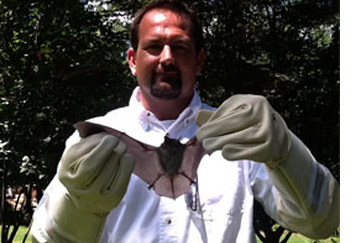
To keep bats out of your attic, locate and seal all entry points (gaps as small as 3/8 of an inch), install one-way exclusion devices during the right season, and clean up any remaining guano safely. Never seal entry points while bats are roosting inside—this is illegal in many states and inhumane.
Bats are quietly fascinating animals. They pollinate plants, consume thousands of insects per night, and play a critical role in local ecosystems. But when a colony takes up residence in your attic, fascination tends to give way to frustration—and concern.
The smell of accumulated guano, the scratching sounds at dusk, the occasional bat that wanders into a living space: these are all signs that a bat colony has moved in and made itself at home. Left unaddressed, a bat infestation can cause serious structural damage to your home, create health risks from fungal spores in droppings, and become significantly harder to resolve over time.
Here’s the good news: bat exclusion is something most homeowners can manage themselves, provided they follow the right process and respect both local wildlife laws and the bats’ natural behaviors. This guide walks you through everything—from identifying entry points to post-exclusion cleanup—so you can reclaim your attic without harming the animals or breaking the law.
Why Do Bats Choose Attics in the First Place?
Bats are not randomly selecting your home. They’re looking for specific conditions: warmth, darkness, low foot traffic, and easy entry. Attics check every box.
Most commonly, the bats you’ll find in residential attics across North America are Little Brown Bats (Myotis lucifugus) or Big Brown Bats (Eptesicus fuscus). Both species are colonial roosters, meaning they live in groups—sometimes numbering in the hundreds.
Bats return to the same roost year after year. If a colony established itself in your attic last summer, there’s a very high chance they’ll return the following spring unless you’ve sealed every entry point.
When Is the Right Time to Remove Bats?
Timing is one of the most critical factors in bat exclusion—and one of the most commonly overlooked.
Maternity season (typically May through mid-August in North America) is when female bats give birth and raise their pups. During this window, exclusion is either illegal or strongly discouraged in most U.S. states and Canadian provinces. Young bats cannot fly and cannot escape through one-way devices, meaning they’d be trapped inside and die.
| Season | Recommended Action |
|---|---|
| Late August – October | ✅ Best time for full exclusion |
| November – March | ✅ Acceptable (bats are hibernating or migrating) |
| May – mid-August | ❌ Avoid exclusion during maternity season |
| Early spring (April) | ⚠️ Proceed with caution; check local regulations |
Before starting any exclusion work, check with your state wildlife agency or local animal control to confirm regulations in your area. In some regions, specific bat species are protected under federal law, including the Endangered Species Act.
How to Identify Bat Entry Points
Bats can squeeze through gaps as small as 3/8 of an inch—roughly the diameter of a dime. This makes a thorough inspection essential.
Where to look on the exterior of your home
Start your inspection at dusk. Watch the roofline from a distance and note where bats are exiting. Common entry points include:
- Ridge caps and roof vents – gaps between cap shingles and roof decking
- Fascia boards and soffits – warped, cracked, or poorly sealed boards
- Chimney gaps – especially where the chimney meets the roofline
- Gable vents – torn or missing screens
- Pipe and utility penetrations – gaps around wiring, plumbing, or HVAC lines
Signs to look for during the day
| Indicator | What It Suggests |
|---|---|
| Dark, greasy staining around gaps | High-traffic entry/exit points |
| Accumulated guano below a gap | Active roost site nearby |
| Strong ammonia smell | Large or long-established colony |
| Audible chattering at dusk | Colony present and active |
Photograph every potential entry point before beginning any work. This becomes your checklist for sealing.
How to Safely Exclude Bats From Your Attic: Step-by-Step
Step 1: Gather your materials
You’ll need the following before starting:
- Caulk gun and polyurethane caulk
- Expandable foam sealant
- Hardware cloth (1/4-inch mesh)
- Staple gun and staples
- One-way exclusion tubes or netting (available at wildlife control suppliers)
- Gloves, respirator mask (N95 or higher), and safety glasses
Step 2: Seal secondary entry points first
Identify every gap except the primary entry/exit point (the one you observed bats using most heavily at dusk). Seal all secondary openings using caulk, foam, or hardware cloth. Work methodically from the top of the roofline down.
Do not seal the primary entry point yet.
Step 3: Install a one-way exclusion device
A one-way exclusion device allows bats to exit at night but prevents them from re-entering. Common options include:
| Device Type | Best For | Notes |
|---|---|---|
| Exclusion netting | Large, flat gaps | Attach top and sides; leave the bottom loose |
| Polypipe tubes | Smaller, round openings | Lightweight and easy to install |
| Commercial bat valves | Irregular or complex gaps | More expensive but highly effective |
Attach the device securely around the primary entry point, ensuring bats can push out but not get back in. Leave it in place for at least five to seven nights to allow the entire colony to exit.
Step 4: Remove the exclusion device and seal the final gap
Once you’re confident all bats have exited (observe at dusk for two or three consecutive nights to confirm no activity), remove the device and permanently seal the final entry point.
Step 5: Clean up the attic
Bat guano carries Histoplasma capsulatum, a fungus that causes histoplasmosis when spores are inhaled. This is a serious respiratory illness, particularly dangerous for people with compromised immune systems.
Wear full PPE before entering the attic:
- N95 respirator or a half-face respirator with HEPA filters
- Disposable coveralls
- Nitrile gloves
Remove guano using a vacuum with a HEPA filter or dampen the material before scooping to reduce airborne particles. Dispose of it in sealed plastic bags. Follow your local regulations for disposal.
Consider hiring a professional remediation company if the accumulation is extensive.
What Not to Do When Dealing With Bats
Some commonly suggested methods are ineffective, illegal, or dangerous. Avoid these approaches:
- Mothballs or ammonia – Bats quickly habituate to chemical deterrents; these rarely work
- Ultrasonic repellers – No scientific evidence supports their effectiveness against roosting bats
- Killing or trapping bats – Illegal under wildlife protection laws in most jurisdictions
- Sealing entry points while bats are inside – Trapped bats will find their way into your living space, and pups will die inside the walls
- Handling bats without gloves – Bats can carry rabies; never handle a bat with bare hands
Can You Bat-Proof Your Home Before an Infestation Starts?
Preventive exclusion is always easier—and cheaper—than responding to an established colony. If you’ve never had bats but want to reduce the risk:
- Inspect your roofline annually, particularly after winter when freeze-thaw cycles can widen gaps
- Install chimney caps with mesh screens
- Repair or replace damaged soffits and fascia boards promptly
- Screen all vents with 1/4-inch hardware cloth
- Seal any utility penetrations where pipes or wires enter your home
A single annual inspection in early spring takes less than an hour and can prevent months of hassle.
When Should You Call a Professional?
DIY exclusion works well for straightforward infestations with a clearly identified entry point. But some situations warrant professional help:
- The colony is very large (more than 100 bats)
- Multiple entry points are difficult to access safely
- Guano accumulation is extensive and has saturated insulation
- A bat has come into direct contact with a person or pet (seek medical advice immediately)
- You’re unsure whether protected species are involved
A licensed wildlife control professional will also be familiar with your state’s legal requirements and can handle the process without risk of violating local ordinances.
Frequently Asked Questions About Bat Exclusion
How do I know if bats are in my attic or just flying nearby?
Bats flying around your yard at dusk are hunting insects and are not a concern. Bats in your attic will show signs like dark grease stains around roofline gaps, audible scratching or chattering sounds before dusk, and guano accumulation on exterior walls or the attic floor. Watch your roofline at dusk—if you see bats exiting from specific gaps in your structure, they are roosting inside.
How long does bat exclusion take?
The active exclusion period—with one-way devices in place—should last at least five to seven nights. Full exclusion work, including inspection, sealing, device installation, and final sealing, typically takes one to two weekends for a motivated DIYer. Professional companies can often complete the process more quickly.
Is bat guano dangerous to humans?
Yes. Bat guano can harbor Histoplasma capsulatum, the fungal pathogen responsible for histoplasmosis. Inhaling spores during cleanup poses a genuine health risk, particularly for immunocompromised individuals, older adults, and young children. Always wear an N95 respirator or better when working in a contaminated attic space.
Will bats come back after exclusion?
Not if all entry points are properly sealed. Bats will attempt to return to a familiar roost site, but if every gap is sealed, they’ll eventually locate a new roosting spot. This is why thorough sealing—not just blocking the obvious entry—is essential to long-term success.
Are bats protected by law?
Many bat species are protected at the state or federal level in the United States and under the Wildlife and Countryside Act in the UK. In the U.S., the Indiana bat and the Northern long-eared bat are listed as threatened or endangered under the Endangered Species Act. Always check your local regulations before beginning exclusion work.
What if I find a bat inside my living space?
Open windows and doors to give the bat an exit route. Do not attempt to catch it with your hands. If the bat came into contact with anyone while they were sleeping, consult a healthcare provider immediately—exposure during sleep can go unnoticed, and post-exposure rabies prophylaxis may be necessary.
Take Back Your Attic—Without Taking It Out on the Bats
Bats are genuinely valuable neighbors when they’re outside. The challenge is keeping that boundary clear.
The most effective approach combines good timing, thorough sealing, and the right exclusion tools. Skip any one of those steps and you’re likely looking at a return visit next spring. But when the process is done correctly, bat exclusion is permanent—no poisons, no traps, and no harm to animals that are quietly doing important ecological work just beyond your walls.
Start with a dusk inspection this week. Note where bats are exiting. Photograph the gaps. Then plan your exclusion work for late summer or fall, when the timing is on your side and the job can be done cleanly, legally, and for good.