

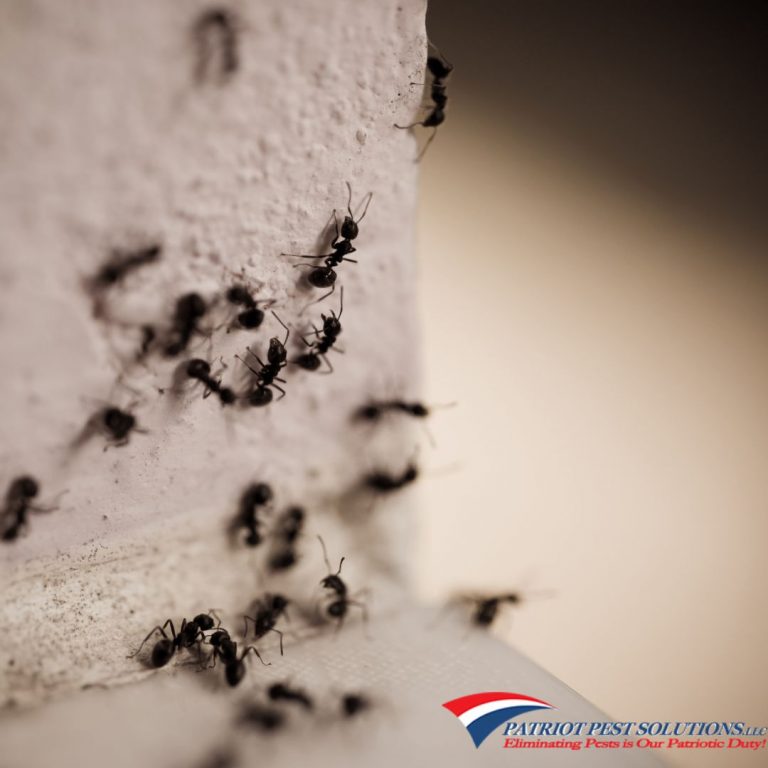
There are few moments more startling than turning on the kitchen light for a midnight snack, only to see something scurry across the counter. It triggers an immediate, primal reaction. You feel violated, unclean, and suddenly very awake.
The kitchen is the heart of the home, but unfortunately, it’s also a five-star resort for pests. Ants, cockroaches, rodents, and fruit flies are constantly scouting for three things: food, water, and shelter. Your kitchen provides all of them in abundance. While spotting a single bug might seem like a minor annoyance, it is often a sign of a larger, hidden population. Ignoring the problem allows these unwanted guests to multiply, leading to contamination, potential health risks, and costly damage to your property.
Defending your territory requires more than just a can of bug spray. It demands a strategy. You need to change the environment so that it is no longer hospitable to invaders. This involves a combination of rigorous sanitation, smart storage solutions, and physical maintenance.
In this guide, we will walk you through a comprehensive plan to secure your kitchen against intruders. From sealing microscopic cracks to revolutionizing your pantry storage, these actionable steps will help you reclaim your space and keep your home pest-free for the long haul.
Understanding the Attraction
Before you can effectively pest-proof, you need to understand your enemy. Pests aren’t malicious; they are opportunistic survivors. They have simple biological drives, and your kitchen satisfies them all.
Food: Even a few crumbs of toast under the toaster or a spill of juice behind the fridge provides a feast for an ant colony or a family of roaches. Grease buildup on the stove is another major attractant that often goes unnoticed.
Water: Cockroaches and silverfish thrive in humid environments. A slow drip under the sink or a wet sponge left on the counter provides enough hydration to sustain a pest population for weeks.
Shelter: The warmth generated by appliances like refrigerators and dishwashers, combined with the dark crevices behind cabinets, creates the perfect nursery for breeding.
By systematically removing these three pillars of survival, you force pests to look elsewhere for their needs.
Master the Art of the Deep Clean
Surface cleaning is great for aesthetics, but pest prevention requires deep cleaning. Pests live in the margins—the spaces we often forget to wipe down. Establishing a routine that targets these hidden areas is your first line of defense.
Eliminate the Crumb Trail
It’s easy to wipe down the countertops, but what about the gaps between the counter and the stove? Food particles inevitably fall into these crevices. Pulling out your appliances once a month to sweep and mop behind them can make a massive difference. Pay special attention to the toaster and microwave. Empty the crumb trays regularly and wipe down the interiors to remove burnt food residue.
Degrease Regularly
Grease is a high-calorie goldmine for pests, particularly cockroaches. Over time, a sticky film can build up on range hoods, backsplashes, and cabinet doors near the stove. Use a high-quality degreaser to cut through this buildup. Don’t forget to check the sides of your oven door, where drips often accumulate.
Sanitation Station
Your sink area is a critical zone. Dirty dishes left overnight are essentially an open buffet. Make it a habit to wash dishes or load the dishwasher before going to bed. Furthermore, clean your sink drain regularly. Food scraps accumulating in the disposal or P-trap can attract drain flies and roaches. A mixture of baking soda and vinegar, followed by boiling water, is an effective natural way to clear organic matter from your pipes.
Fortify Your Pantry
Cardboard and thin plastic bags are no match for the sharp teeth of a determined rodent or the chewing mandibles of weevils. If your pantry is stocked with original packaging, it is vulnerable.
The Airtight Solution
Transfer dry goods—flour, sugar, pasta, rice, cereals—into hard plastic or glass containers with airtight seals. Screw-top jars or canisters with rubber gaskets are ideal. This serves a dual purpose: it keeps pests out, and it traps any potential infestations (like pantry moths) inside the container, preventing them from spreading to the rest of your food supply.
Rotate Your Stock
Practice the “First In, First Out” method. Use older products before opening new ones. Pests are more likely to infest undisturbed food that sits in the back of a cupboard for months. Regularly checking expiration dates and wiping down pantry shelves helps you spot signs of activity, such as webbing or droppings, before an infestation takes hold.
Pet Food Protocol
Pet food is often overlooked, yet it is highly nutritious and attractive to rodents and ants. Avoid leaving pet bowls out overnight. Feed your pets at specific times and remove the bowls once they are finished. Store bulk bags of kibble in heavy-duty sealed bins, preferably metal ones if rodents are a concern, as rats can chew through heavy plastic given enough time.
Moisture Control and Maintenance
Water is life, and for pests, a dry kitchen is a dead end. Restricting access to water is often more effective than removing food sources.
Fix the Drips
Check under your sink for any signs of leaking pipes or condensation. Even a minor drip can create a damp environment that attracts cockroaches. If you notice moisture damage on the cabinet floor, repair the leak and replace the wood if it has become soft or rotten.
Dry It Out
Don’t let water stand in the sink or on drying racks overnight. Wring out sponges and scrubbers thoroughly, or run them through the dishwasher to kill bacteria and remove food scents. If you have a pet water bowl, place it on a silicone mat to catch splashes, and change the water frequently.
Seal the Perimeter
Once you’ve addressed the internal attractants, you need to block the entry points. Pests can squeeze through impossibly small openings—a mouse can fit through a hole the size of a dime, and insects need only a hairline crack.
Caulk and Seal
Inspect the perimeter of your kitchen. Look for cracks where the baseboards meet the floor, gaps around window frames, and openings where pipes enter the wall (common under sinks and behind refrigerators). Use a silicone-based caulk to seal these gaps. For larger holes around plumbing, use steel wool mixed with expanding foam. The steel wool prevents rodents from chewing through the foam.
Door Sweeps and Screens
Ensure your windows have tight-fitting screens without tears. If you have a door leading from the kitchen to the outside or a garage, install a sturdy door sweep to close the gap at the bottom. This physical barrier is surprisingly effective at stopping larger insects and mice.
Waste Management Wisdom
Your trash can is a beacon for pests. Managing it correctly is crucial for maintaining a pest-proof kitchen.
Invest in a trash can with a tight-fitting lid and a foot pedal. This keeps odors contained and prevents flies from accessing decaying food. Take the trash out daily, especially if it contains meat wrappers, fruit peels, or other organic matter.
Recycling bins also require attention. Rinse out soda cans, milk jugs, and wine bottles before tossing them in the bin. The sticky residue left in unrinsed recyclables is a sweet treat for ants and wasps. If your recycling bin is stored indoors, clean the bin itself periodically with hot soapy water to remove leaks and spills.
Frequently Asked Questions
Do ultrasonic pest repellers actually work?
The consensus among entomologists and pest control professionals is generally no. While the concept sounds appealing—using high-frequency sound to drive bugs away—most studies show that pests quickly habituate to the noise, or the sound waves are blocked by furniture and walls, rendering them ineffective.
How do I get rid of fruit flies that are already here?
First, locate and remove the breeding source (usually overripe fruit or a dirty drain). Then, set a trap: fill a small bowl with apple cider vinegar and a few drops of dish soap. Cover it with plastic wrap and poke small holes in the top. The flies are attracted to the vinegar but get trapped by the soap’s surface tension.
Is one cockroach a sign of an infestation?
Unfortunately, yes. Cockroaches are nocturnal and excellent at hiding. If you see one during the day, it often implies the hiding spots are already full, or the population is large enough that some are being pushed out. It is safer to assume there are more and take immediate action.
Can I use natural scents to repel pests?
Some essential oils, like peppermint, lemon, and eucalyptus, can act as mild deterrents for spiders and ants. However, they are not a complete solution. They must be reapplied frequently and are best used as a supplemental measure alongside cleaning and sealing, rather than a primary defense.
Winning the War on Pests
Pest-proofing your kitchen is not a one-time event; it is a lifestyle change. It requires a shift in how you handle food, moisture, and maintenance. By being vigilant and proactive, you make your home an unappealing target.
Start this weekend. Pull out the fridge, buy some airtight containers, and grab a caulking gun. The peace of mind that comes from knowing your kitchen is clean, secure, and exclusively yours is well worth the effort.