

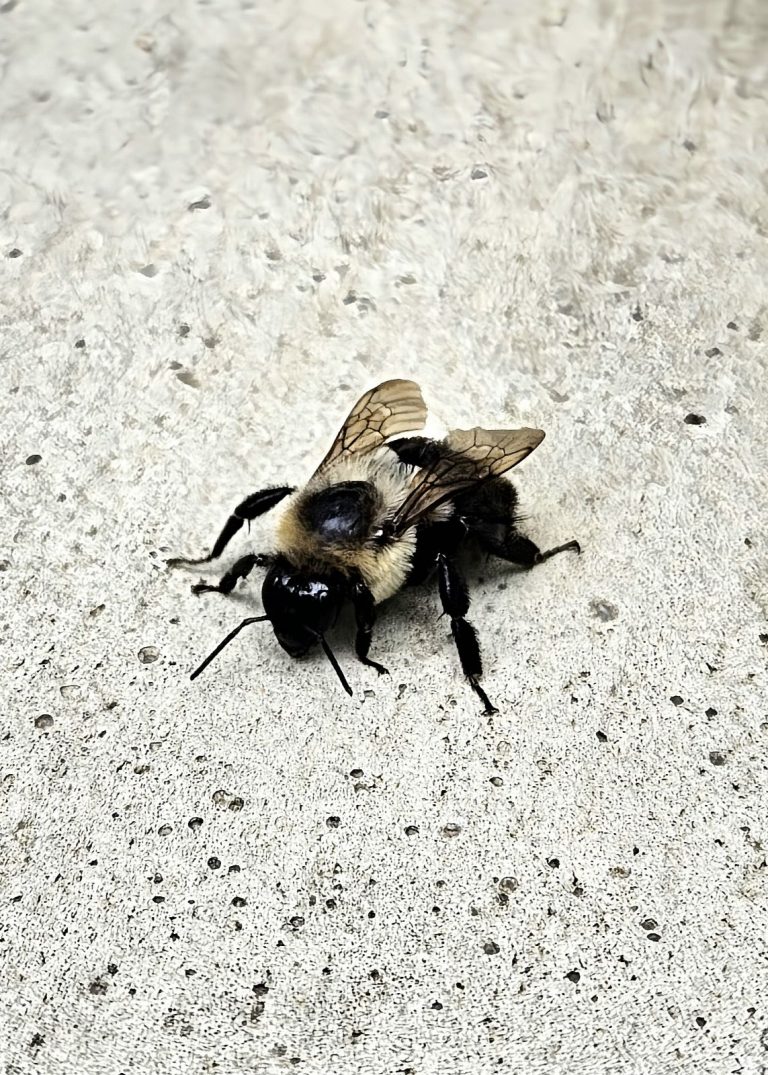
To identify what is buzzing in your yard, look at the insect’s body and behavior. Yellow jackets have smooth, brightly colored yellow and black bodies and nest in the ground. Paper wasps are slender with long legs and build umbrella-shaped nests. Bees are fuzzy, rounder, and generally docile pollinators.
Warm weather brings a flurry of activity to outdoor spaces. Flowers bloom, trees regain their leaves, and insects return to forage. Among the most noticeable visitors are flying, yellow-and-black insects that often cause homeowners to retreat indoors. Identifying exactly what insect has taken up residence near your patio or garden is the first step toward enjoying the outdoors safely.
Understanding the differences between yellow jackets, paper wasps, and bees prevents unnecessary panic. It also protects beneficial pollinators that play a critical role in local ecosystems. Many people use these terms interchangeably, leading to confusion when trying to manage a hive or nest.
This guide provides clear criteria for distinguishing yellow jackets, wasps, and bees. By examining their physical traits, nesting habits, and aggression levels, homeowners can make informed decisions about pest control and insect conservation.
How do you identify a yellow jacket, a wasp, and a bee?
Proper identification relies on observing the insect’s physical appearance and flight patterns.
What are the physical characteristics of yellow jackets?
Yellow jackets are a specific type of wasp, but they have distinct features. A yellow jacket has a smooth, hairless body with striking yellow and black banding. They measure about half an inch long and have a pinched waist. Yellow jackets fly rapidly and dart back and forth when foraging for food. Because they lack body hair, yellow jackets do not carry pollen effectively.
What do paper wasps look like compared to other insects?
Paper wasps share the yellow and black coloration of yellow jackets but appear much more slender. A paper wasp has a long, thin body and long legs that dangle below it during flight. Paper wasps fly somewhat sluggishly compared to the rapid movements of a yellow jacket. Their bodies are also smooth, making them ineffective pollinators for gardens.
How can you tell if an insect is a honeybee or a bumblebee?
Bees look significantly different from wasps and yellow jackets. Honeybees and bumblebees have robust, hairy bodies. This dense hair allows bees to collect and transport pollen from flowers. A honeybee sports a muted, golden-brown and black color scheme. Bumblebees are larger, rounder, and feature vibrant yellow and black fuzz. Both types of bees hover gently around blooming plants rather than darting aggressively.
Where do these stinging insects build their nests?
Nesting location is a major indicator of which insect has invaded a property.
Where do yellow jackets typically nest?
Yellow jackets are primarily ground-nesting insects. They often build large colonies inside abandoned rodent burrows, hollow logs, or landscape timbers. A yellow jacket nest can contain thousands of aggressive workers by late summer. Homeowners usually discover these nests accidentally when mowing the lawn or weed-eating near the hidden entrance hole.
What does a paper wasp nest look like?
Paper wasps construct distinctive, umbrella-shaped nests that hang from horizontal surfaces. These insects chew wood fibers and mix them with saliva to create a gray, papery material. Paper wasp nests feature visible, open honeycomb cells. The insects frequently hang these nests under roof eaves, porch ceilings, and inside outdoor light fixtures. A paper wasp colony remains relatively small, rarely exceeding 100 members.
Where do honeybees and bumblebees live?
Honeybees live in large, perennial colonies that can survive the winter season. In the wild, honeybees nest inside hollow tree trunks or wall voids. Bumblebees, similar to yellow jackets, often nest in the ground or under thick brush. However, a bumblebee nest is quite small, usually containing fewer than 50 bees.
Which of these insects poses the biggest threat to humans?
Understanding the aggression levels of these insects determines the necessary response for property management.
Are yellow jackets dangerous to humans?
Yellow jackets are highly aggressive and territorial. If a person approaches within a few feet of a yellow jacket nest, the worker insects will attack. A yellow jacket has a smooth stinger, allowing a single insect to sting a perceived threat multiple times. Yellow jackets also scavenge for human food, making them a nuisance at outdoor picnics and barbecues. Choose professional pest control if you locate a yellow jacket nest near high-traffic areas on your property.
Will a paper wasp sting you without provocation?
Paper wasps generally act mildly aggressive. A paper wasp will defend its nest if a human gets too close or swats at the insect. Like yellow jackets, paper wasps have smooth stingers and can strike repeatedly. However, they do not typically scavenge for human food and prefer to hunt caterpillars and other garden pests.
Do bees sting frequently?
Bees are docile creatures entirely focused on collecting nectar and pollen. A honeybee or bumblebee will only sting if physically crushed or directly threatened. Furthermore, a worker honeybee has a barbed stinger. When a honeybee stings a human, the stinger becomes lodged in the skin, and the bee dies shortly afterward. Therefore, bees use stinging strictly as a last resort. Choose a local beekeeper to safely relocate a hive if bees nest in a problematic area rather than exterminating them.
Next steps for managing your yard’s pollinators and pests
Accurate identification dictates the appropriate action for dealing with stinging insects. Homeowners should leave honeybees and bumblebees alone whenever possible, as these insects perform vital pollination services for local agriculture and native plants. If a bee colony poses an immediate danger, contact a local beekeeping association for safe, non-lethal removal.
Conversely, yellow jackets and paper wasps can pose severe risks to children, pets, and individuals with venom allergies. While paper wasps help control garden pests, nests located near doorways or patios require removal. Yellow jacket nests almost always require professional extermination due to the colony’s size and extreme aggression. By observing physical traits and nesting behaviors, you can maintain a safe yard while protecting beneficial nature.
Frequently Asked Questions (FAQ)
How much does it cost to remove a yellow jacket nest?
Professional yellow jacket nest removal typically costs between $100 and $300, depending on the nest’s location and size. Nests located deep underground or inside wall voids require more labor and specialized equipment, which increases the total cost of the extermination.
What is the timeline for safely exterminating a wasp nest?
Pest control professionals can usually eliminate a paper wasp or yellow jacket nest in a single visit lasting one to two hours. Exterminators apply treatments during the late evening or early morning when the wasps are dormant and securely inside the nest.
What are the risks of treating a stinging insect nest yourself?
DIY pest control for yellow jackets carries a high risk of multiple stings, which can trigger severe allergic reactions or anaphylaxis. Over-the-counter wasp sprays may agitate the colony without reaching the queen, resulting in an aggressive swarm attacking the homeowner.