

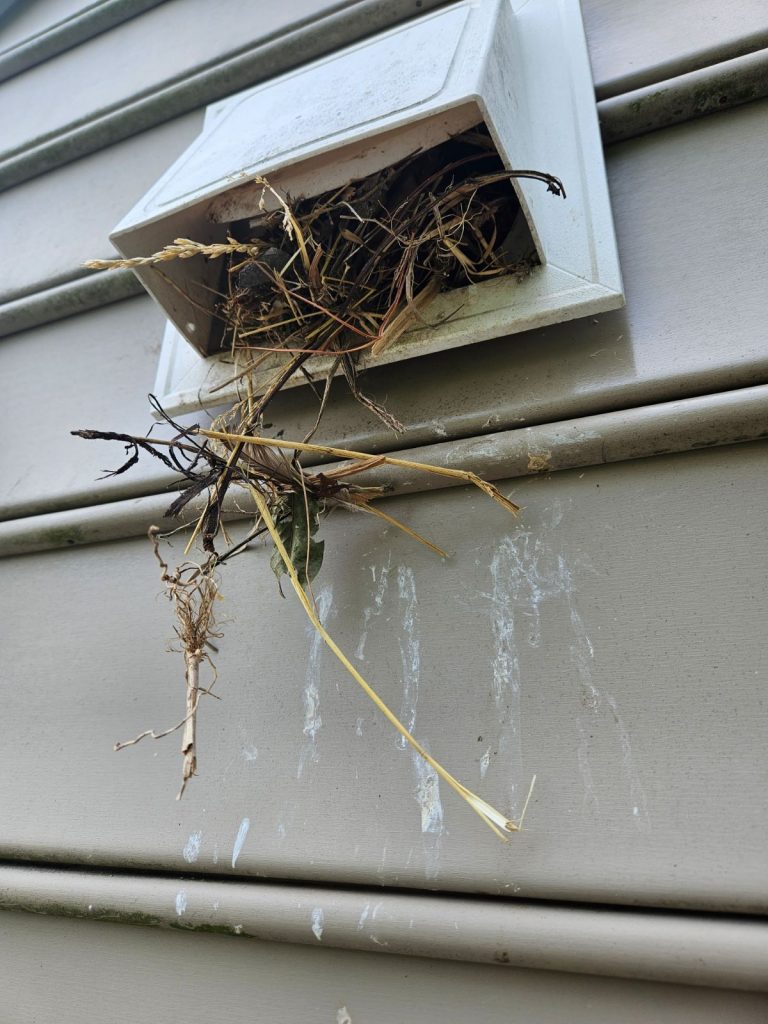
Bird droppings can pose real health risks, primarily through airborne fungal spores and bacteria that cause diseases like histoplasmosis, cryptococcosis, and salmonellosis. The danger comes mainly from inhaling dried, dust-like particles during cleanup, not from casual contact. Wearing gloves, a proper respirator mask, and using wet-cleaning methods significantly reduces exposure risk.
Anyone who’s ever parked under a tree full of starlings knows bird droppings are messy. But mess isn’t the only concern. Accumulated droppings, especially in enclosed or poorly ventilated spaces like attics, window ledges, and HVAC units, can harbor pathogens that cause genuine illness in humans.
The good news? Serious health problems from bird droppings are relatively uncommon for people with healthy immune systems who take basic precautions. The risk rises sharply, though, for anyone with a compromised immune system, older adults, and those exposed to large, dried accumulations without protective gear.
This guide breaks down exactly what’s in bird droppings, which diseases they can transmit, who’s most vulnerable, and how to clean them up safely.
What diseases can you get from bird droppings?
Three illnesses account for most of the documented health risks associated with bird droppings: histoplasmosis, cryptococcosis, and salmonellosis. Each stems from a different pathogen and affects the body differently.
Histoplasmosis
Histoplasmosis is caused by the fungus Histoplasma capsulatum, which grows in soil enriched by bird or bat droppings. According to the Centers for Disease Control and Prevention (CDC), people become infected by breathing in microscopic fungal spores that become airborne when contaminated soil or droppings are disturbed.
Most people who inhale the spores never develop symptoms. When symptoms do appear, they typically resemble the flu: fever, cough, fatigue, and chest discomfort. In severe cases, particularly among immunocompromised individuals, histoplasmosis can spread beyond the lungs and become life-threatening.
Cryptococcosis
Cryptococcosis comes from the fungus Cryptococcus neoformans, which is strongly associated with pigeon droppings. Pigeons themselves rarely get sick from the fungus, but their droppings create an ideal breeding ground for it, especially in dry, accumulated deposits on ledges, rooftops, and building facades.
Infection occurs through inhalation of airborne fungal cells. Healthy immune systems usually clear the infection without incident. For people with weakened immunity, such as those with HIV/AIDS, organ transplants, or on immunosuppressive therapy, cryptococcosis can lead to serious lung infections or meningitis.
Salmonellosis
Unlike the fungal diseases above, salmonellosis is bacterial. Birds, particularly those congregating around bird feeders or urban environments, can carry Salmonella bacteria in their droppings. Direct contact with contaminated surfaces, followed by touching the face or eating without washing hands, is the most common transmission route.
Symptoms include diarrhea, fever, and abdominal cramps, typically resolving within a week in healthy adults. Young children, older adults, and immunocompromised individuals face a higher risk of complications.
How do these diseases actually spread?
Bird droppings don’t need to touch your skin to pose a risk. The primary danger comes from airborne exposure.
When droppings dry out, they become brittle and easily disturbed. Sweeping, power-washing, or even walking through a dried accumulation can release fungal spores or bacterial particles into the air, where they can be inhaled deep into the lungs. This is why cleanup, not casual exposure, represents the highest-risk activity.
Enclosed spaces amplify this risk considerably. Attics, chimneys, barns, and HVAC systems trap airborne particles, increasing concentration and exposure time. Outdoor exposure, by comparison, benefits from natural air dispersal, which is one reason why walking past a bird-covered park bench carries far less risk than cleaning out a pigeon-infested attic.
Who is most at risk from bird dropping exposure?
Not everyone faces the same level of risk. Choose extra precautions if you fall into any of the following groups:
| Risk Group | Why They’re More Vulnerable |
|---|---|
| Immunocompromised individuals (HIV/AIDS, chemotherapy patients, transplant recipients) | Weakened immune defenses struggle to contain fungal and bacterial infections |
| Older adults | Age-related immune decline increases susceptibility to severe illness |
| Young children | Developing immune systems and higher hand-to-mouth contact |
| People with chronic lung conditions | Existing respiratory damage worsens the effects of inhaled spores |
| Pest control and cleaning professionals | Frequent, high-volume exposure during cleanup of large accumulations |
If you fall into one of these categories, avoid disturbing dried droppings yourself and consider hiring a professional remediation service equipped with proper respiratory protection.
How should you safely clean up bird droppings?
Cleaning up bird droppings safely comes down to minimizing airborne particles and avoiding direct contact. Follow these steps for small to moderate accumulations:
- Ventilate the area first. Open windows and doors if cleaning an enclosed space, and let it air out for at least 30 minutes before starting.
- Wear protective gear. Use disposable gloves and an N95 respirator mask at minimum. A full-face respirator is recommended for large accumulations.
- Wet the droppings before cleaning. Spray droppings with a disinfectant solution or water and let them sit for several minutes. This softens the material and prevents spores from becoming airborne. Never dry-sweep or power-wash dried droppings without wetting first.
- Use a disinfectant. A diluted bleach solution (roughly 1 part bleach to 10 parts water) or a commercial disinfectant labeled for organic waste works well.
- Dispose of waste properly. Place cleaning materials in a sealed plastic bag before discarding.
- Wash your hands thoroughly. Even with gloves, wash your hands with soap and water immediately after cleanup.
Choose professional remediation services if the accumulation is extensive, located in a poorly ventilated space like an attic or crawlspace, or if anyone in the household is immunocompromised. Professionals bring specialized equipment, including HEPA-filtered vacuums and full protective suits, that reduce risk far more effectively than a DIY approach.
Does the type of bird matter?
Certain birds are more commonly associated with disease-carrying droppings due to their tendency to roost in large numbers near human dwellings.
Pigeons are the most frequently cited culprits, largely because of their urban nesting habits and their strong association with Cryptococcus neoformans. Starlings and sparrows, which often gather in large flocks, are linked to histoplasmosis due to their droppings enriching soil where the fungus thrives. Wild birds at backyard feeders can carry Salmonella, making feeder hygiene an important, often overlooked, health consideration.
That said, any bird dropping accumulation, regardless of species, should be treated as a potential hazard once it builds up in volume, especially in enclosed or poorly ventilated areas.
Keep your space healthy without the guesswork
Bird droppings aren’t something to panic over during a walk in the park, but accumulated deposits in attics, ledges, or feeders deserve real caution. The key takeaways: wear protective gear, wet droppings before cleaning, ventilate enclosed spaces, and call in professionals for large or hard-to-reach accumulations.
If you regularly deal with bird activity near your home, consider installing deterrents like netting or spikes to prevent large accumulations before they start. Prevention is almost always easier, and safer, than cleanup.
Frequently asked questions
Can you get sick just from being near bird droppings?
Casual proximity, like walking past droppings outdoors, carries minimal risk because open air disperses airborne particles quickly. Risk increases significantly when droppings are disturbed in enclosed, poorly ventilated spaces.
How long do bird dropping pathogens survive in the environment?
Histoplasma capsulatum spores can survive in soil for years under the right conditions, while Cryptococcus neoformans can persist in dried droppings for extended periods as well. This is why old, undisturbed accumulations can still pose a risk when finally cleaned.
Is it safe to clean bird droppings myself, or should I hire a professional?
Small amounts on outdoor surfaces are generally safe to clean yourself with gloves, a mask, and a wet-cleaning method. Large accumulations, especially in attics or enclosed spaces, are best left to professional remediation services with proper respiratory protection.
Are bird droppings dangerous to pets?
Yes, pets can contract salmonellosis or, less commonly, fungal infections from direct contact with contaminated droppings. Keep pets away from accumulated droppings and consult a veterinarian if you notice symptoms like vomiting or diarrhea after exposure.
What are the early symptoms of histoplasmosis or cryptococcosis?
Both often present with flu-like symptoms, including fever, cough, fatigue, and chest discomfort. Since these symptoms overlap with common respiratory illnesses, anyone with recent exposure to large dropping accumulations who develops these symptoms should mention that exposure to a doctor.