Most people think of pests as a simple nuisance—an unwelcome cockroach skittering across the kitchen floor or the sound of mice in the walls. While these encounters are certainly unpleasant, the real threat pests pose goes far beyond just being a bother. Pests are significant carriers of diseases, and an infestation can expose your family or tenants to serious health risks.
Understanding this connection is the first step toward creating a safer living environment. Many common household pests, including rodents, cockroaches, and mosquitoes, are vectors for a wide range of illnesses. They can contaminate food, surfaces, and even the air we breathe with harmful pathogens.
This article will explore the critical link between pests and disease. We will cover the specific health threats associated with common pests, why DIY methods often fall short, and how professional pest control services act as a crucial line of defense in protecting public health. By the end, you’ll have a clear understanding of why managing pests is an essential part of maintaining a healthy home.
Pests as Disease Vectors
The term “vector” refers to any organism that can transmit infectious pathogens from one host to another. Many of the pests that invade our homes are highly effective vectors, carrying bacteria, viruses, and parasites that can cause significant illness in humans.
Rodents: More Than Just a Nuisance
Mice and rats are among the most dangerous pests to have in a home. They are known carriers of numerous diseases that can be transmitted to humans through several pathways:
- Direct Contact: Handling a rodent, dead or alive, can expose you to pathogens.
- Contaminated Surfaces: Rodents leave behind droppings, urine, and saliva as they travel. These can contaminate countertops, food preparation areas, and stored food.
- Airborne Transmission: Pathogens from dried rodent urine and droppings can become airborne and inhaled, leading to respiratory infections.
Key diseases linked to rodents include:
- Hantavirus: A rare but severe respiratory illness that can be fatal. It is transmitted primarily by inhaling dust contaminated with the droppings or urine of infected deer mice.
- Salmonellosis: A common bacterial infection causing diarrhea, fever, and abdominal cramps. It spreads when people consume food or water contaminated with rodent feces.
- Leptospirosis: A bacterial disease spread through contact with water or soil contaminated by the urine of infected animals. It can cause a wide range of symptoms, from mild flu-like illness to severe liver and kidney failure.
Cockroaches: Unsanitary Intruders
Cockroaches thrive in unsanitary conditions and are notorious for spreading filth and disease. They often travel through sewers, drains, and garbage bins, picking up pathogens on their legs and bodies. As they move through your home, they deposit these germs on any surface they touch.
Health risks associated with cockroaches:
- Food Poisoning: Cockroaches are known to carry bacteria like E. coli and Salmonella, which they can transfer to food and cooking utensils, leading to gastrointestinal illnesses.
- Allergies and Asthma: Cockroach saliva, droppings, and shed skin contain proteins that are powerful allergens. For many people, especially children, exposure can trigger asthma attacks and allergic reactions.
Mosquitoes and Ticks: The Outdoor Threat
While often associated with outdoor activities, mosquitoes and ticks can easily find their way into and around residential areas, posing a significant health threat.
- Mosquitoes: These insects are responsible for more human deaths annually than any other animal. They transmit diseases by feeding on an infected host and then passing the pathogen to a new host through their bite. Diseases like West Nile Virus and Zika Virus are major concerns in the United States.
- Ticks: Commonly found in wooded or grassy areas, ticks can attach to humans and pets. They are primary vectors for Lyme Disease, a serious bacterial infection that can cause long-term joint, heart, and nervous system problems if not treated early.
Why DIY Pest Control Isn’t Enough
When faced with a pest problem, many people first turn to do-it-yourself solutions like traps and sprays. While these can sometimes provide a temporary fix for a minor issue, they often fail to address the root cause of an infestation.
Limited Effectiveness
Store-bought products are typically less potent than professional-grade treatments. More importantly, they often only eliminate the pests you can see, leaving the hidden nest or colony intact. Pests like cockroaches and rodents are incredibly resilient and reproduce quickly, meaning a small problem can escalate into a major infestation in a short amount of time. Without eliminating the source, the pests will inevitably return.
Misapplication and Safety Risks
Pesticides and traps can be dangerous if not used correctly. Homeowners may accidentally misapply chemicals, putting their children, pets, and themselves at risk of exposure. Furthermore, using the wrong product for a specific pest can be ineffective and a waste of money. A professional technician is trained to identify the exact type of pest and apply the appropriate treatment safely and effectively.
Failure to Address Entry Points
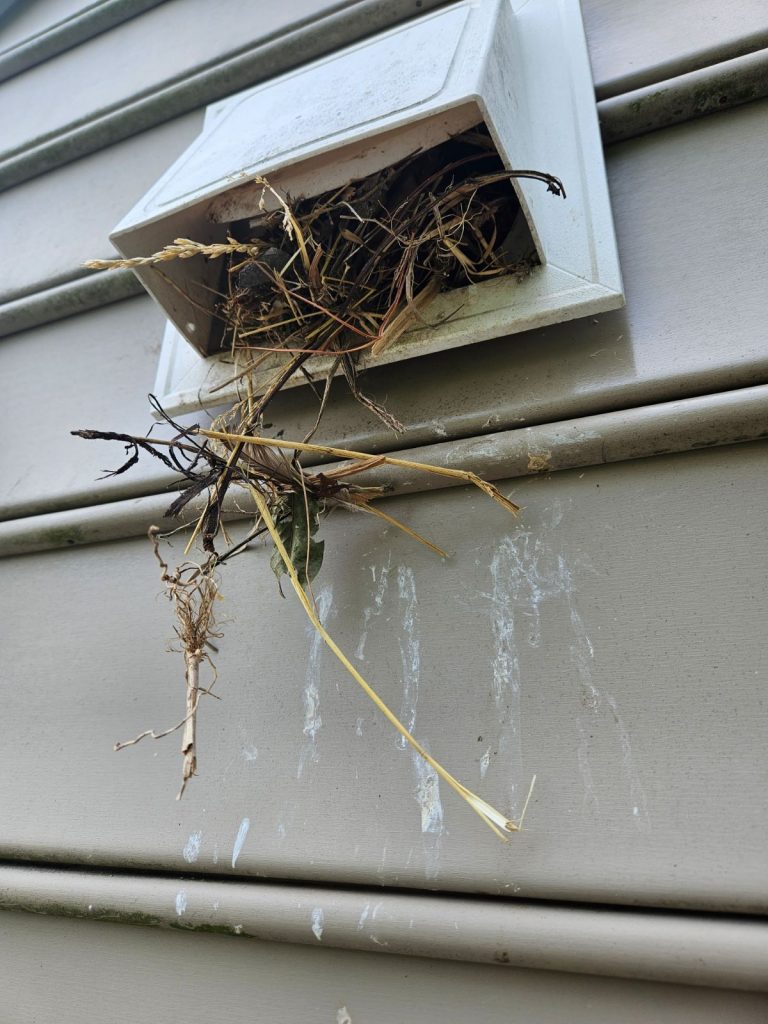
A crucial part of effective pest management is identifying and sealing the entry points pests use to get inside. A DIY approach rarely includes a thorough inspection of the property’s exterior to find and block cracks, gaps, and other vulnerabilities. Without this step, new pests will continue to invade, creating an endless cycle of infestation.
The Professional Advantage
Professional pest control services offer a comprehensive, science-based approach that goes far beyond simply spraying for bugs. Licensed technicians provide a multi-faceted strategy focused on long-term prevention and safety.
Integrated Pest Management (IPM)
Modern pest control professionals use a strategy called Integrated Pest Management (IPM). This is a holistic approach that prioritizes prevention and uses chemical treatments as a last resort. An IPM program typically includes:
- Inspection: A thorough assessment of the property to identify the type of pest, the extent of the infestation, and any contributing factors like moisture issues or entry points.
- Identification: Correctly identifying the pest is crucial for determining the most effective and safest treatment method.
- Treatment: Implementing a targeted treatment plan. This might involve setting up bait stations, applying specific pesticides in targeted areas, or making environmental modifications.
- Monitoring and Prevention: Sealing entry points, advising on sanitation practices, and setting up ongoing monitoring to ensure the pests do not return.
Expertise and Advanced Tools
Professional technicians have the training and experience to handle any pest situation. They understand pest biology and behavior, which allows them to create effective, long-term solutions. They also have access to advanced equipment and products that are not available to the general public, enabling them to resolve infestations more efficiently.
Safeguard Your Health with Professional Help
Pests are more than just an annoyance; they are a direct threat to the health and well-being of your household. By carrying and transmitting a host of dangerous diseases, they can turn a safe home into a hazardous environment. While DIY methods may seem like a quick fix, they rarely solve the underlying problem and can even introduce new risks.
Investing in professional pest control is an investment in your health. A licensed pest control company provides the expertise, tools, and strategic approach needed to eliminate infestations and prevent future problems. By taking proactive measures, you can ensure your home remains a safe and healthy space for everyone in it.